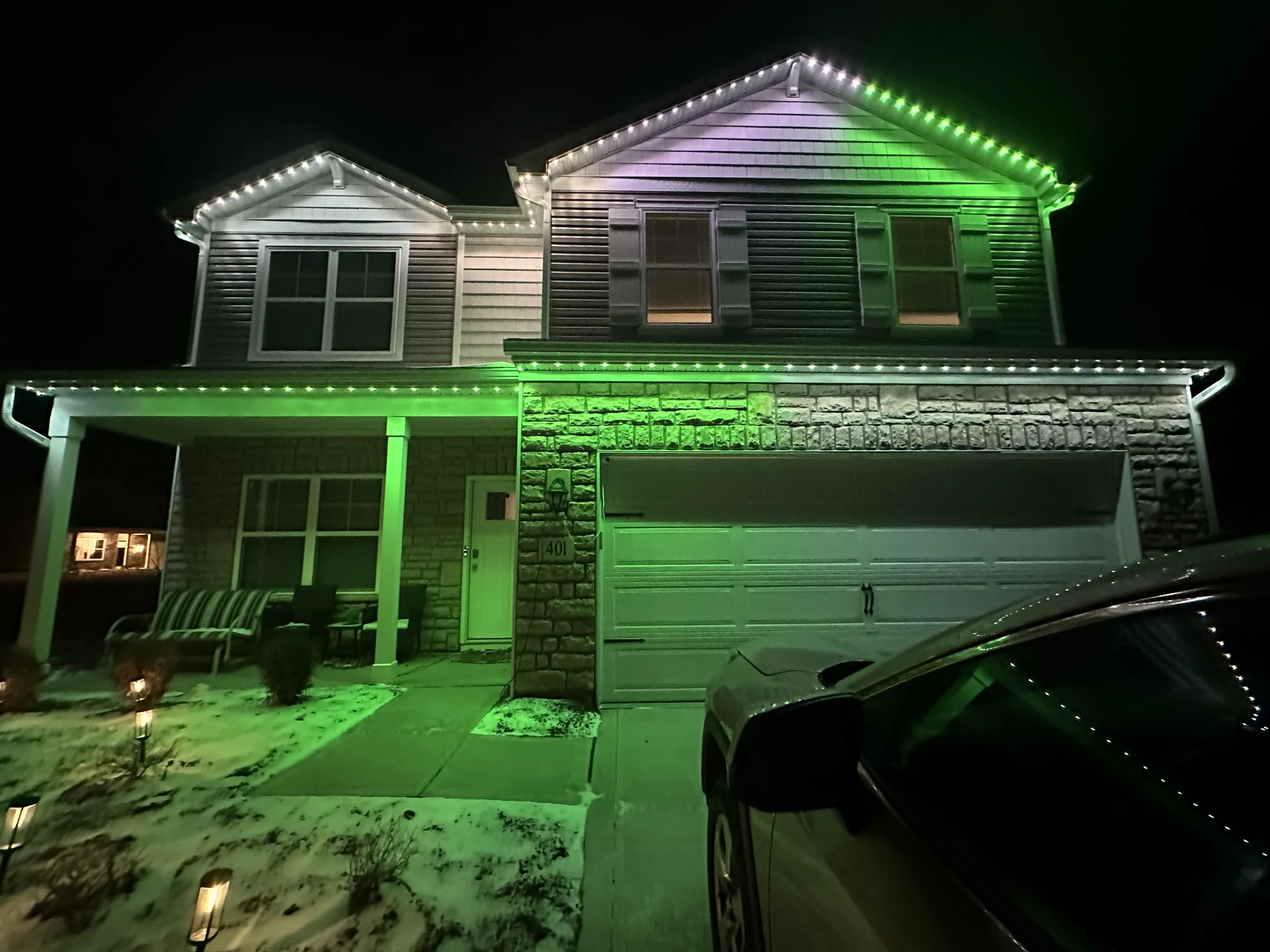
Key Takeaways
- Two things change how your permanent lights look more than anything else: light direction and light placement.
- If your house has sections with no soffit (just fascia), regular consumer lights will point outward instead of down. Professional grade lights solve this with angled aluminum channels.
- Front placement gives you the "cloud" look. Back placement gives you the "cone" look. Both look great. Your soffit type decides what's possible.
- Most homeowners don't find out about either of these until they're already installing. It costs them money, time, and frustration.
- If you have a closed soffit (common on homes 15+ years old), back placement is almost always the safer call.
Before you pick consumer lights or professional grade, you need to understand how your house is built. These two things will affect how your lights look more than anything else.
- Light direction: where the light actually points when it's mounted on your house.
- Light placement: where on the soffit the lights sit, and how that changes the look.
Most people don't find out about either one until they are already installing, and it costs them money, time, and frustration. Let's break them down.
1. Light Direction: The No Soffit Problem
Quick note before we dive in: permanent lights at night either spread wide (cloud look) or hug tight to the wall (cone look). Both look great. But your architecture decides which one you can actually get. We cover front vs back placement in Section 2 with photos. For now, just know the lights need to point downward to create either look. That's where direction comes in.
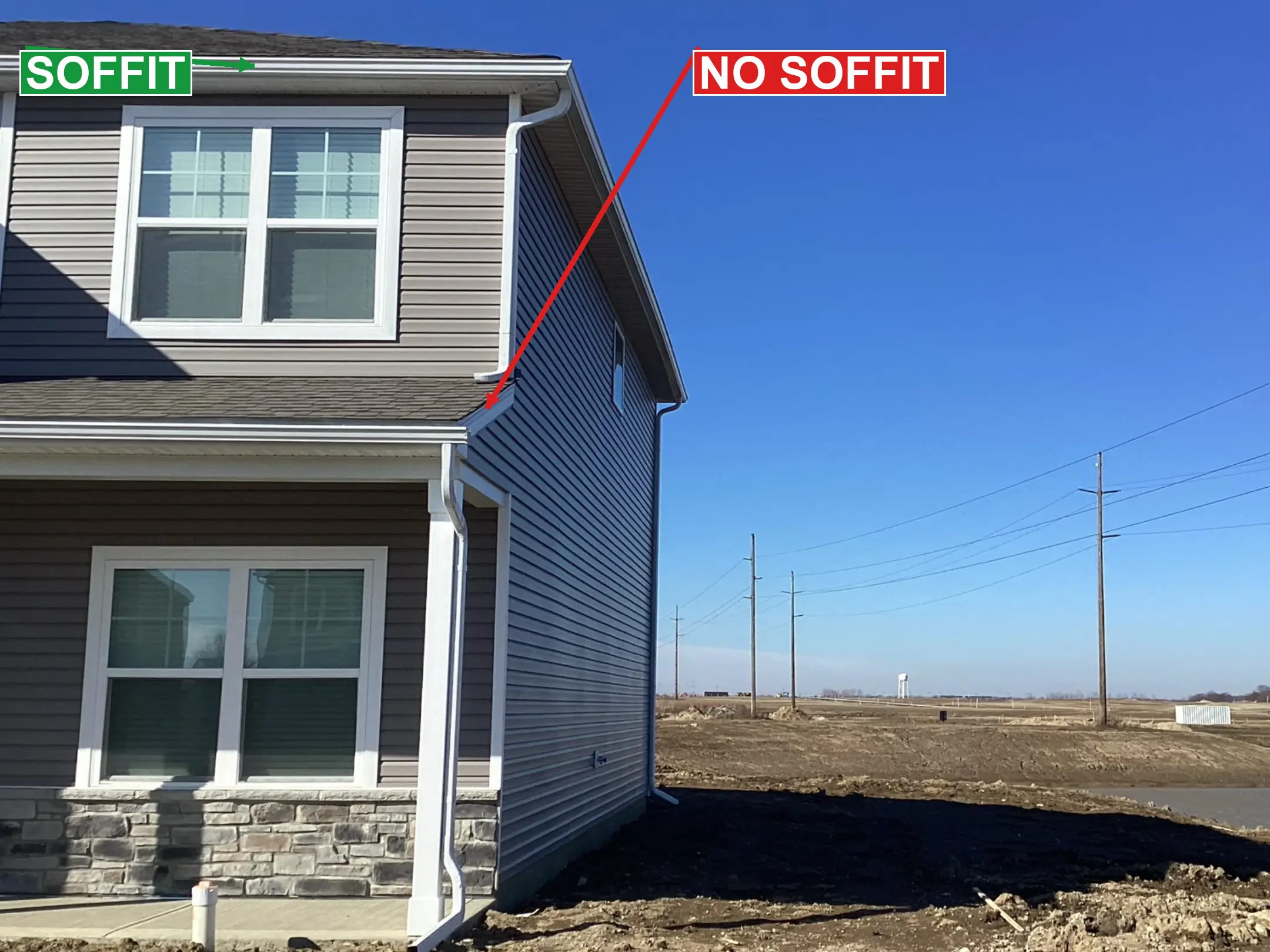
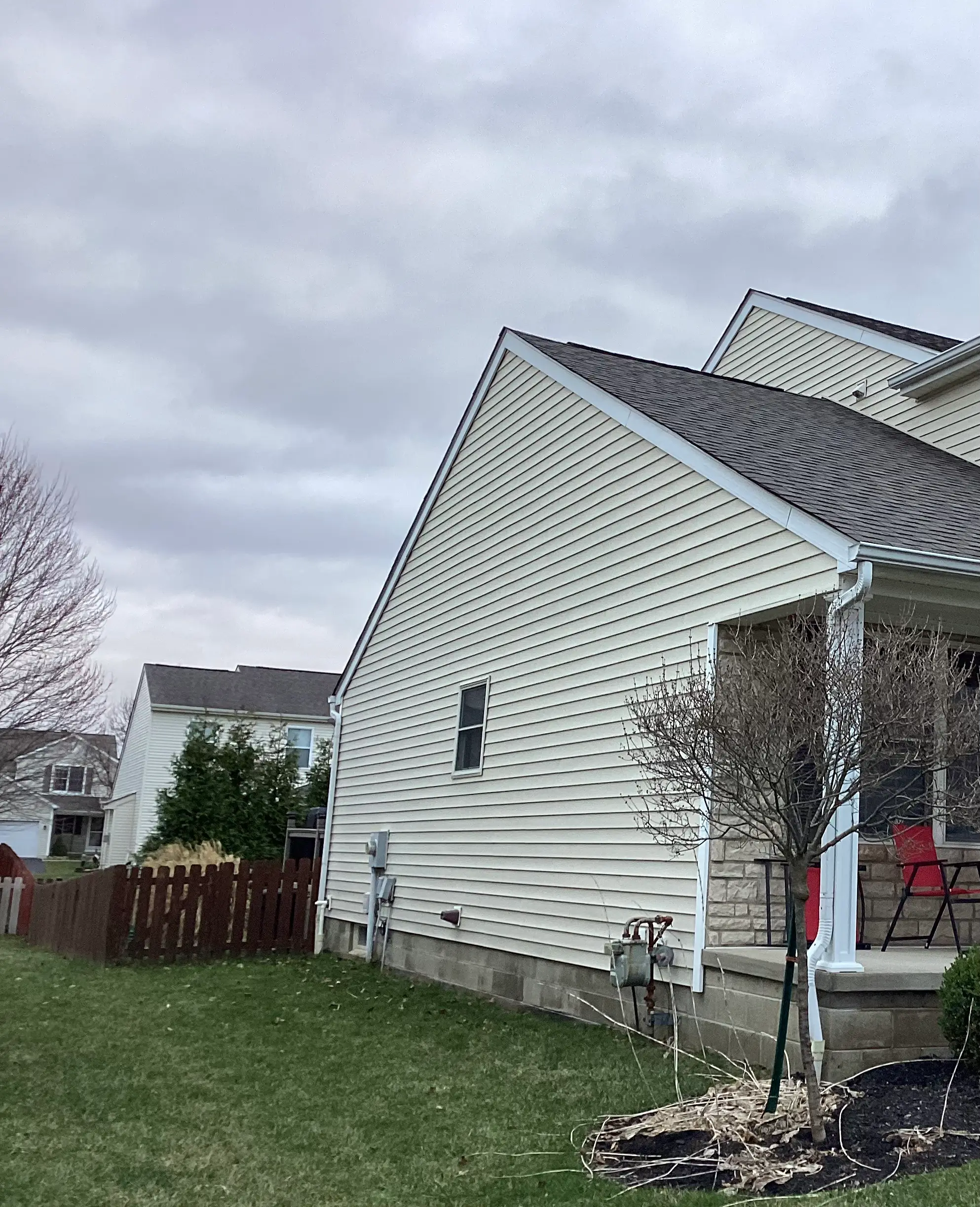
The problem
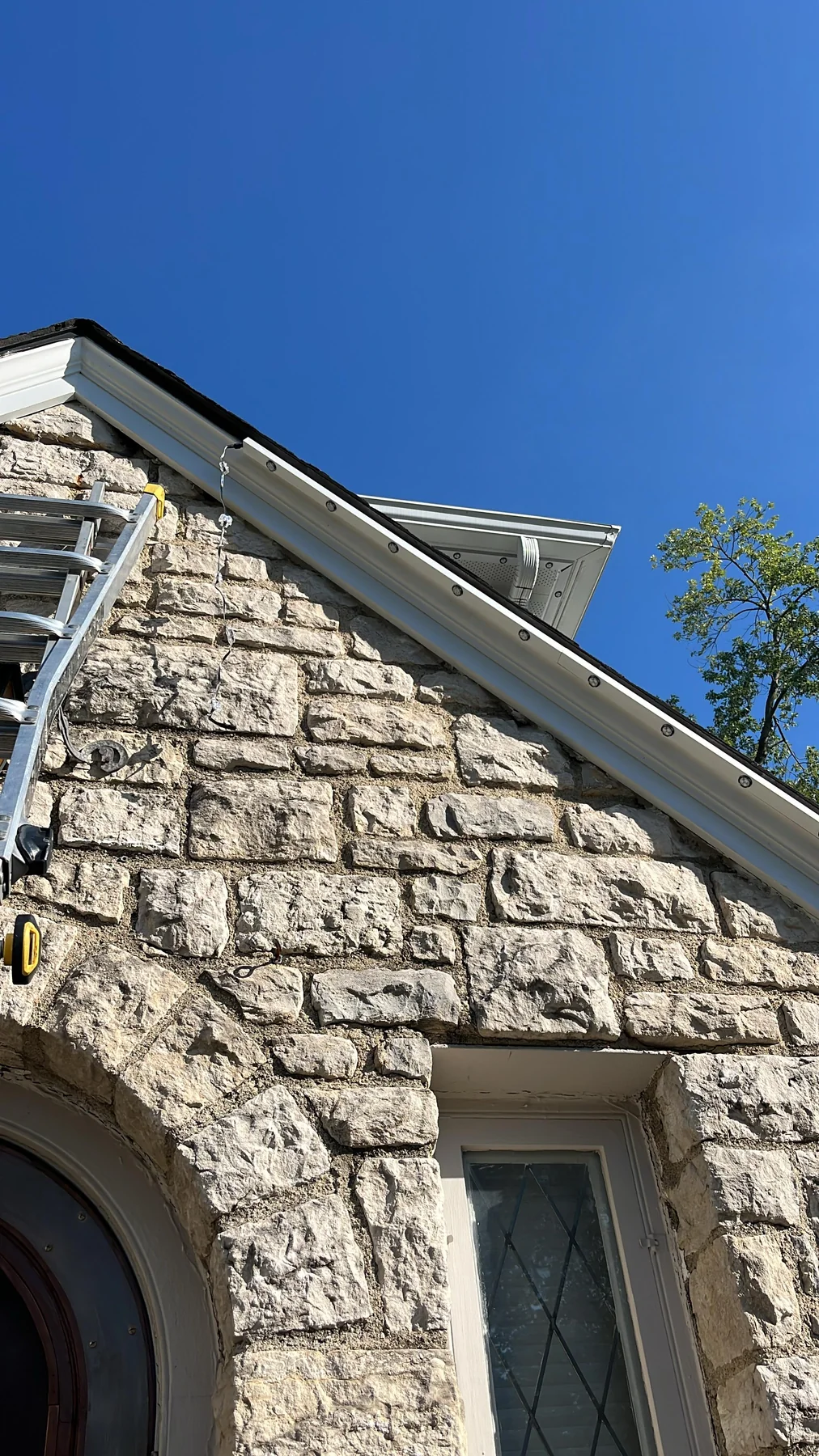
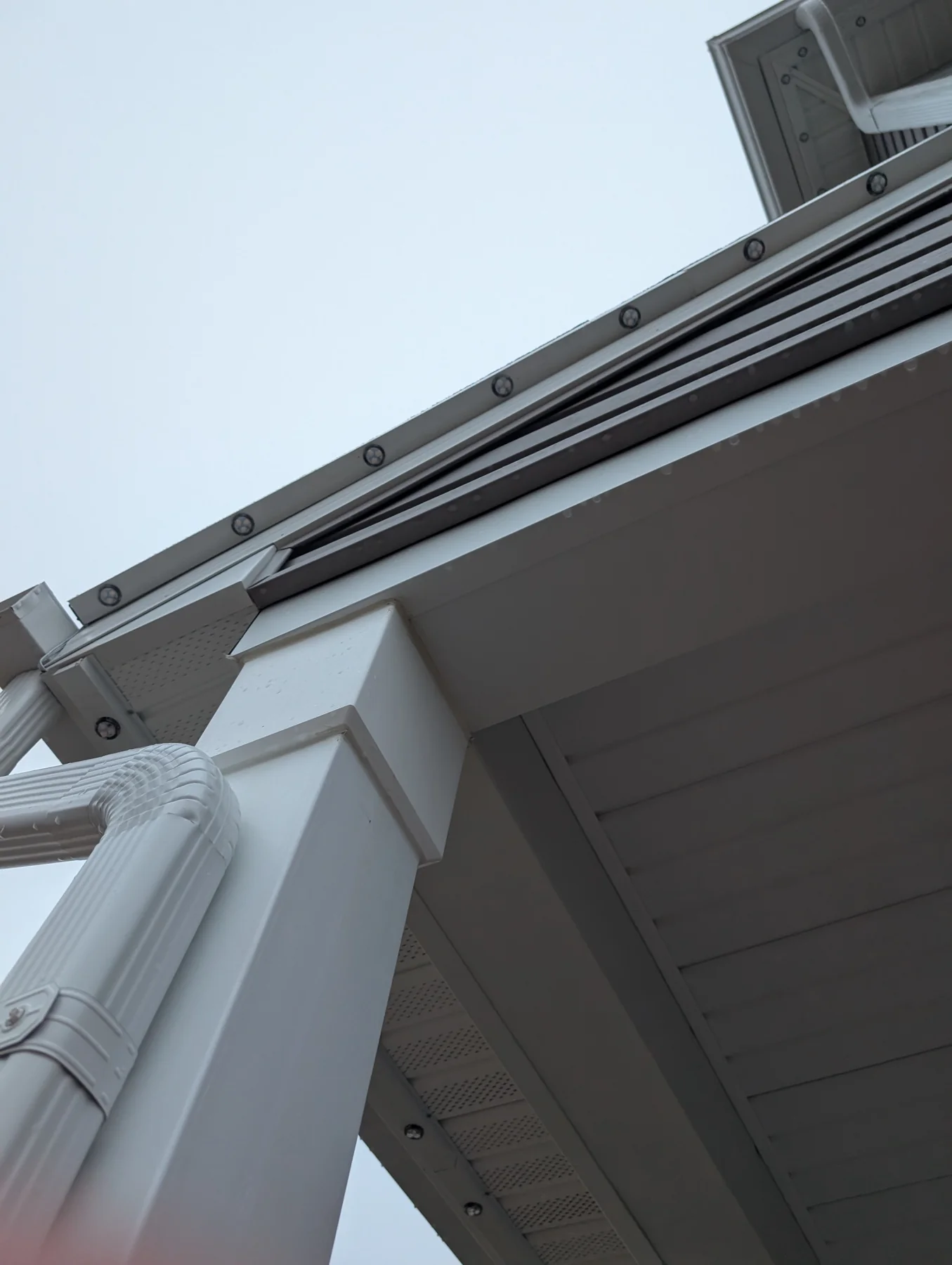
Almost every house has sections with no soffit. Just a flat vertical board called fascia. This is where things get tricky.
When lights are mounted on fascia with no soffit underneath, they point outward instead of down. That downward wash is what makes permanent lights look amazing at night. The light hits the wall, spreads down, and lights up the whole house. Without it, the light just shoots forward and your house stays dark underneath.
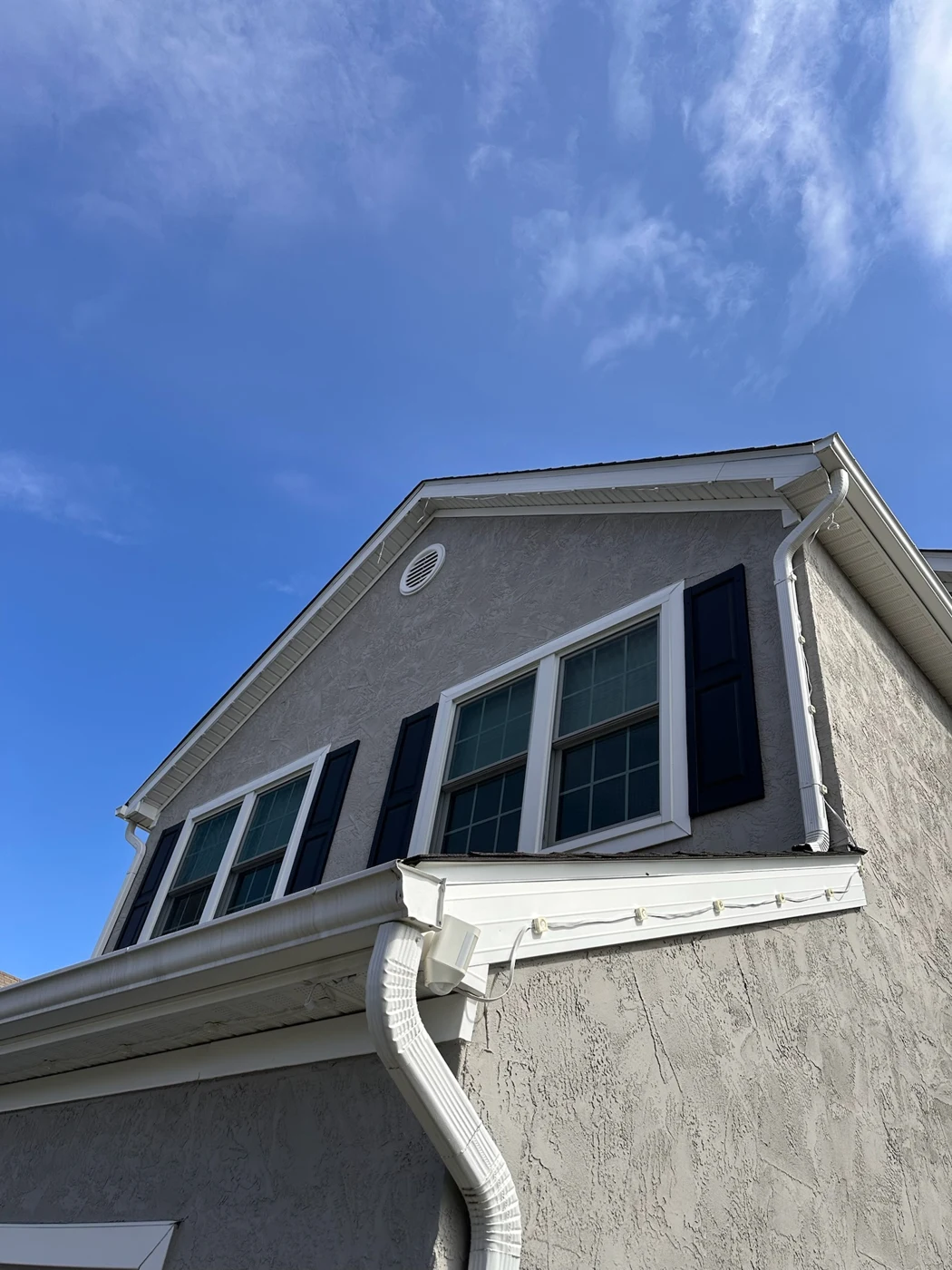
The solution
Professional Grade Lights
- Not a problem at all.
- The aluminum channels are shaped to wrap over the fascia edge and angle the LEDs downward.
- The light washes down the wall like it should.
Consumer Lights (Govee)
- The lights face outward.
- There is no way to fix it without adding something extra.
- You either buy aftermarket channels or angled clips.
Fix 1: Aftermarket channels. You can buy channels made for consumer lights. But they are mostly plastic, not aluminum. Not as weatherproof, not as clean looking. And if you need channels on one section, you will probably want them everywhere. Once you add up channels plus lights plus install, the cost is very close to professional grade.
Fix 2: Clips. You can buy angled clips on Amazon or Etsy. They redirect the light downward. Not as clean as channels, but they do the job for less money.
2. Light Placement: Front vs Back
Where you mount the lights on your soffit changes the entire look of your house at night. This is the second thing nobody talks about, and it applies to both consumer lights and professional grade lights.
The two placements
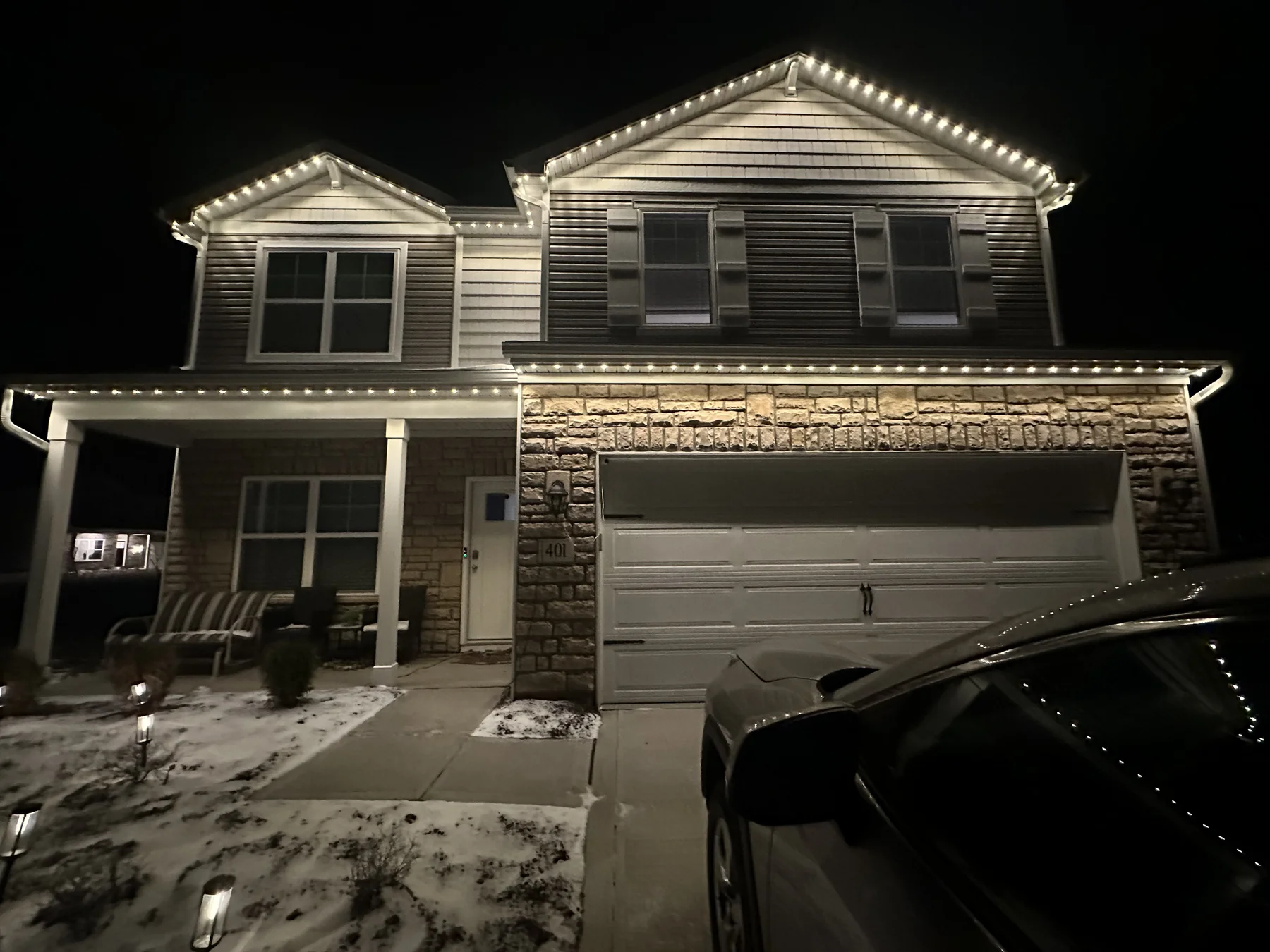
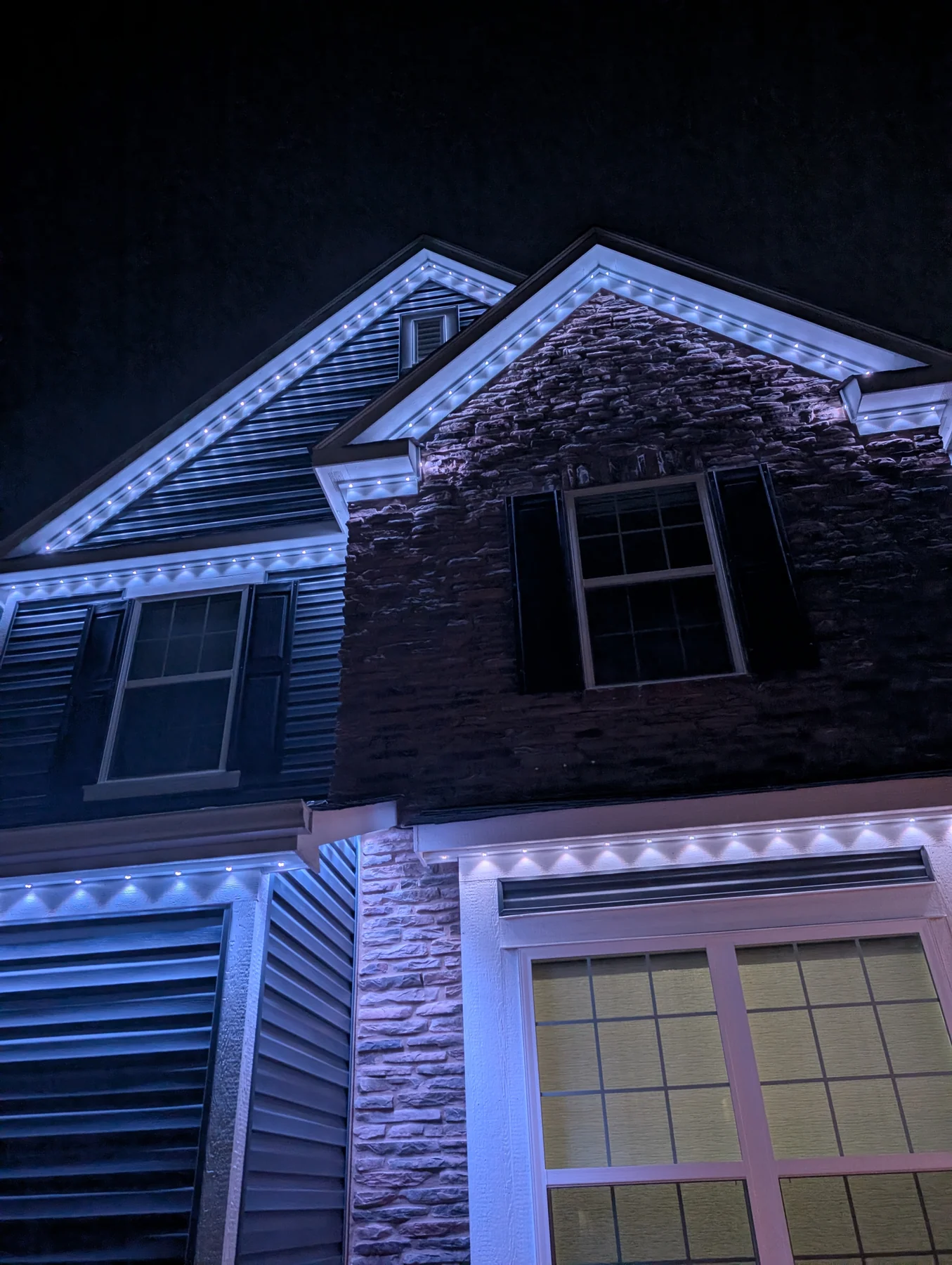
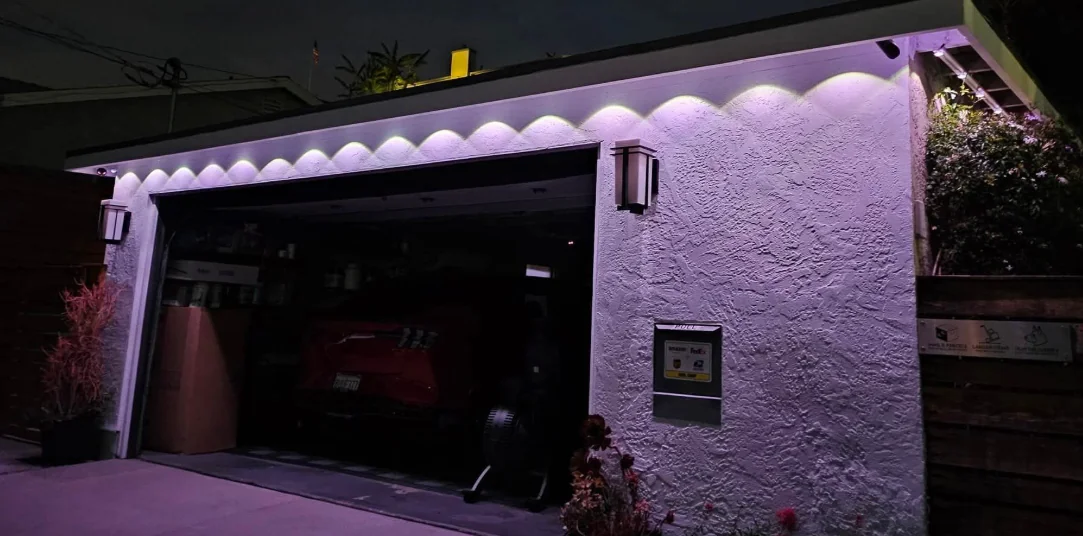
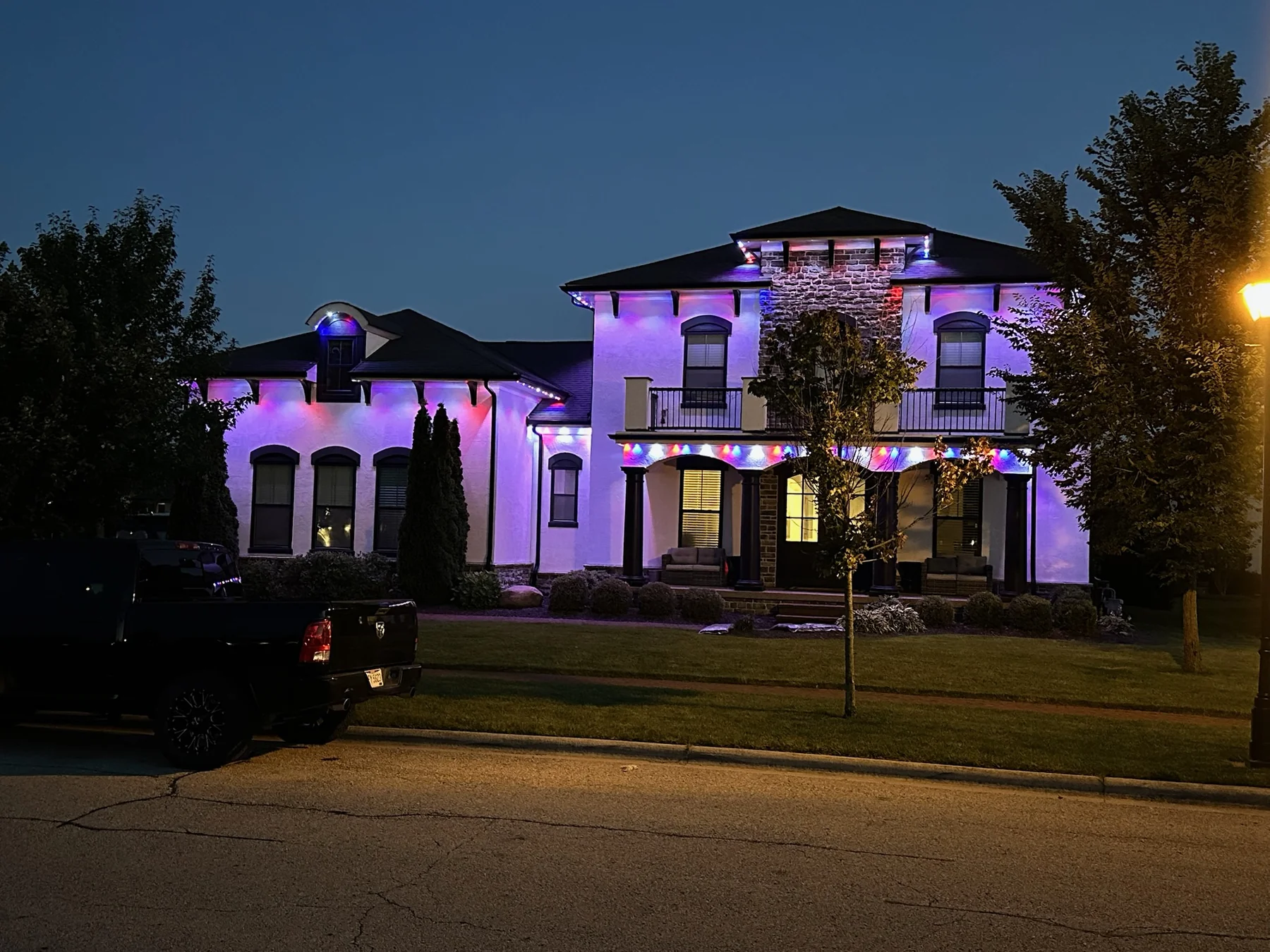
- Front placement (far from the wall) gives you the cloud look. The light spreads wide and shines up the whole house. The lights are also more hidden during the day.
- Back placement (close to the wall) gives you the cone look. The light shoots down tight against the wall.
Both look great at night. It comes down to which style you prefer. But your soffit decides what's actually possible.
Open soffit vs closed soffit
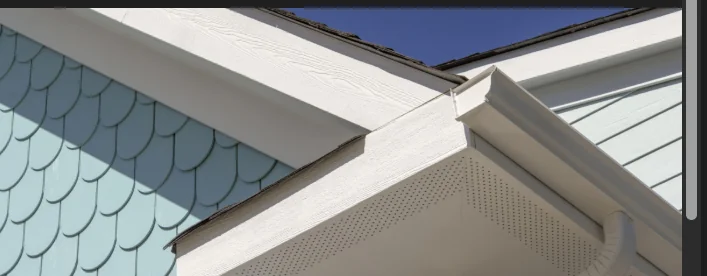
Open soffit (the flat underside is fully exposed): you have both options, so pick whichever look you want.
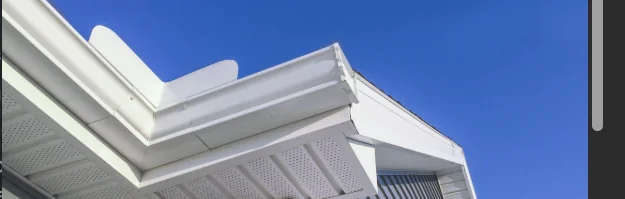
Closed soffit (the fascia edge sticks out past the soffit, common on homes 15+ years old): it depends on how tall that edge is.
- Short edge: Both front and back work.
- Tall edge: Front placement can be a problem. The fascia blocks the lights from the street, so some sections show and some don't. It looks uneven and bad.
How we test it on site
We place the lights, walk 30 to 50 feet out to the street, and look. If you can see them, front works. If not, we go with back.
My Recommendation
Professional grade lights, closed soffit: put them on the back. No risk of the uneven look, and you avoid the cost of moving them later. (Trust me, I've learned that the hard way.)
Professional grade lights, open soffit: pick whatever look you prefer.
Consumer lights: back placement will look way better no matter what.
Why This Matters Before You Buy
Most companies skip this conversation. They send you a quote based on a Google Earth picture of your house and never check the soffit type, never look for no-soffit sections, never talk about front vs back. Then install day comes, you see the lights, and either they look uneven from the street or they don't wash the wall the way you imagined.
By that point you've already paid. Moving lights later means moving the channels too, which is a paid service call.
The fix is simple: ask any installer to walk your house with you before you put down a deposit. They should look at your soffit type, point out any no-soffit sections, and tell you whether they're going front or back and why. If they can't answer those three things, that's a red flag.
Want Us to Walk Your House?
I'll come to your home, measure your roofline, look at your soffit type, check for no-soffit sections, and show you exactly where the lights will sit and how they'll look. You leave the walkthrough with a real plan and a firm price. No Google Earth quotes, no surprises on install day.